
Mental health conditions are often misunderstood, and significantly, they affect emotions, relationships, and behaviour. Many individuals dealt with this silently, and it’s really hard to imagine their pain. Out of all this, one such condition is emotionally unstable personality disorder, which can deeply affect how a person feels, reacts, and connects with others.
Individuals living with emotionally unstable personality disorder are often described as too emotional, but in reality, they are usually struggling with emotional pain, fear, and difficulties regulating their emotions. This can affect relationships, work, self-image, and everyday life.
In this blog, let’s discuss what EUPD is, common signs, causes, and effective treatment to ensure better well-being.
Emotionally Unstable Personality Disorder: A Closer View
Emotionally unstable personality disorder is a mental health condition characterised by intense emotional instability, impulsive behaviour, unstable relationships, and difficulty managing emotions.
People with EUPD often experience emotions more intensely and for longer periods than others. A small disagreement, feeling ignored, or fear of rejection may trigger emotional reactions. These emotional shifts can happen rapidly, making daily life feel exhausting.
Is EUPD Difficult to Recognise?
One of the reasons EUPD is often misunderstood is that its symptoms can overlap with anxiety, depression, and trauma-related disorders. Many individuals with EUPD appear highly functional at times, while internally struggling with emotional chaos. Some people may experience periods of stability followed by intense emotional breakdowns during stressful situations or relationship conflicts.
Signs of Emotionally Unstable Personality Disorder (EUPD)
The signs of an emotionally unstable personality disorder can vary from person to person, but several conditions are associated with this disorder:
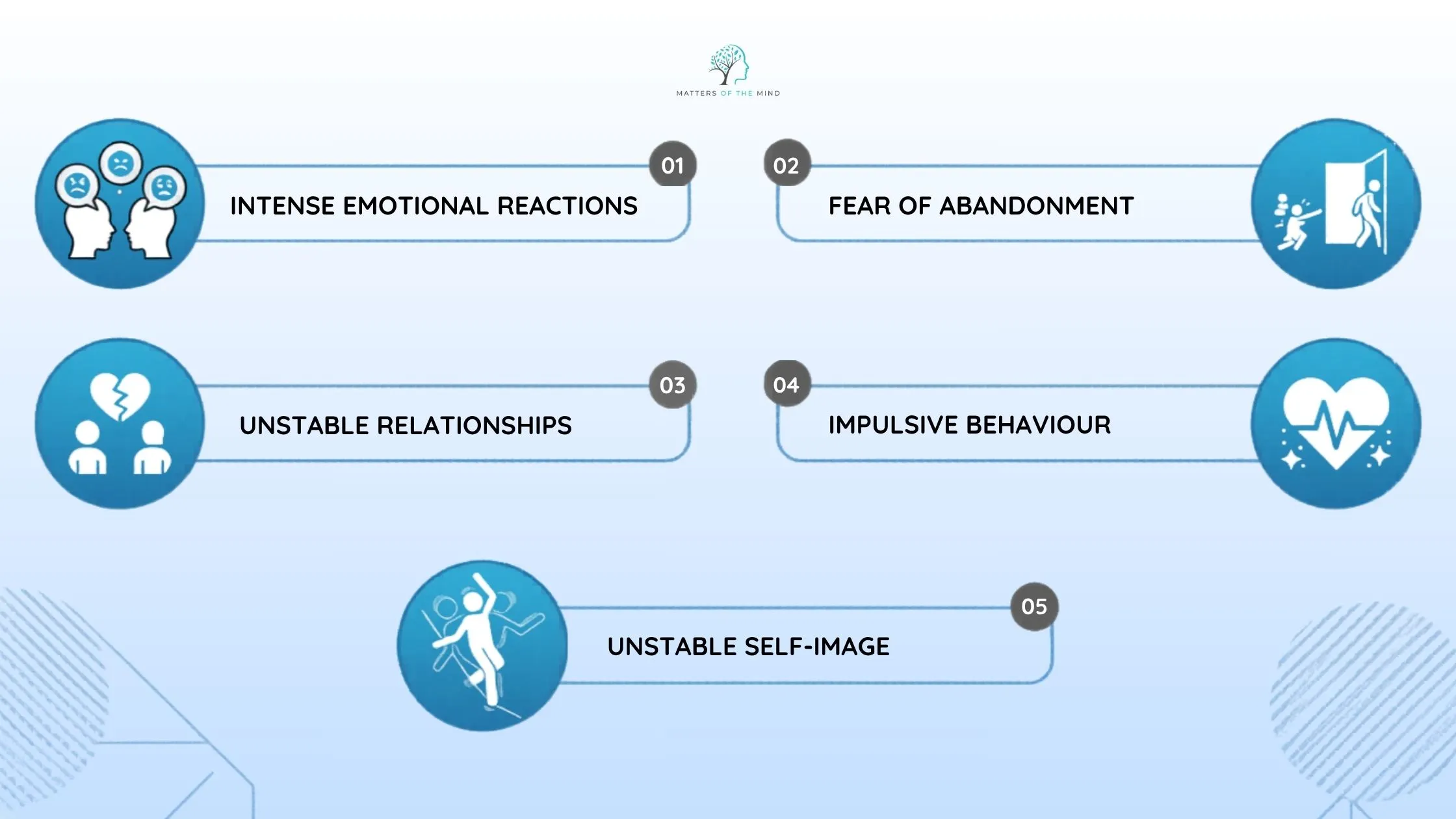
1. Intense emotional reactions
People with EUPD often experience emotions very strongly. Sadness, anger, anxiety, or frustration may feel overwhelming and difficult to control. Mood changes can happen suddenly and may last for several weeks or days.
2. Fear of abandonment
One of the most common symptoms is an intense fear of being abandoned, ignored, or rejected, even in situations where abandonment may not actually be happening.
3. Unstable relationships
Relationships may become intense very quickly and then suddenly become conflict-driven or emotionally distant. Someone with EUPD may deeply idealise a person and then feel hurt, angry, or disappointed by them shortly afterwards.
4. Impulsive behaviour
Impulsive actions are another major symptom of emotionally unstable personality disorder. This may include reckless spending, risky behaviour, substance misuse, and self-destructive decisions.
5. Unstable self-image
People with EUPD may struggle with identity and self-worth. They may frequently change goals, opinions, relationships, or life direction because they feel unsure about who they truly are.
Take the First Step Towards Emotional Clarity Today
Negative thoughts can affect confidence, emotional well-being, relationships, and everyday life. With the right support and practical coping strategies, it is possible to develop healthier thinking patterns and a more balanced mindset.
Causes of EUPD
There is no single explanation for EUPD. Mental health professionals believe the condition develops due to biological, psychological, and environmental factors. Some of the common causes are:
-
- Emotional neglect
- Physical or emotional abuse
- Unstable family environments
- Loss
- Childhood trauma
These experiences can affect the emotional development and ability to regulate your emotions later in life.
Treatment For Emotionally Unstable Personality Disorder
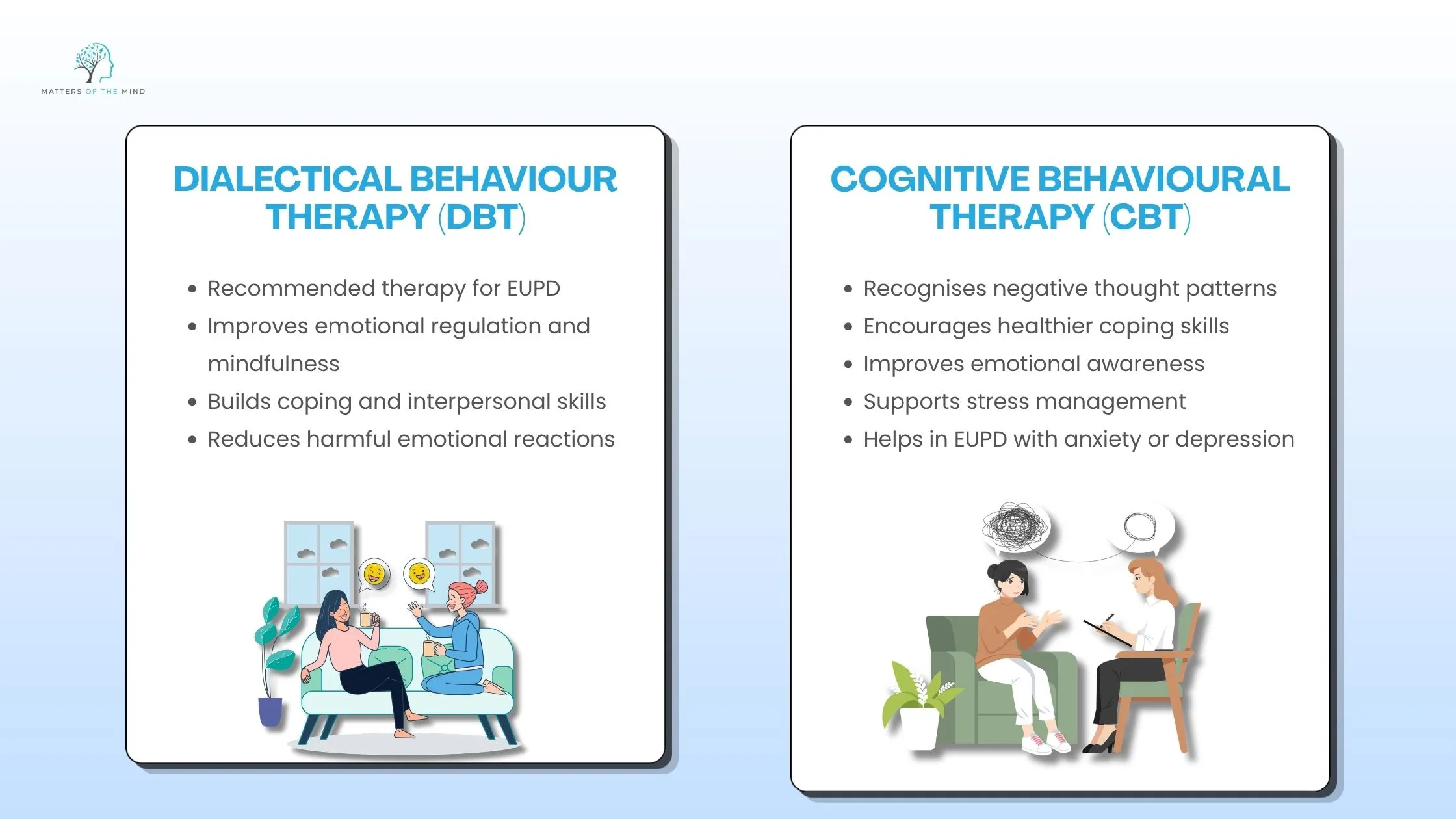
1. Dialectical Behaviour Therapy (DBT)
DBT is one of the most widely recommended therapies for EUPD. It focuses on emotional regulation, distress tolerance, mindfulness, and interpersonal effectiveness. DBT helps individuals learn practical ways to manage overwhelming emotions without harmful behaviours.
2. Cognitive Behavioural Therapy (CBT)
CBT may also help individuals recognise negative thought patterns and develop healthier coping responses. It can be especially helpful when EUPD exists alongside anxiety or depression.
With proper treatment, emotional awareness, and supportive relationships, many individuals learn to manage emotional triggers, build stable relationships, improve self-esteem, reduce harmful behaviours, and create healthier coping patterns.
For professional mental health support, you can connect with Dr Kavita Deepak-Knights in Windsor, Berkshire. Through a safe and supportive therapeutic approach, she helps individuals better understand their emotions, build healthier coping mechanisms, and work towards long-term emotional well-being.
Final Thoughts
Emotionally unstable personality disorder is a complex mental health condition that affects emotional regulation, relationships, self-image, and behaviour. The signs of EUPD often involve intense emotions, fear of abandonment, impulsive actions and unstable relationships.
Mental health struggles should never be ignored or judged. Early support, understanding, and the right therapeutic guidance can help individuals living with EUPD build healthier, more emotionally stable lives.
If you or someone you know is struggling with emotional instability, relationship difficulties, or overwhelming emotional distress, seeking support from a qualified mental health professional can be an important first step toward healing.
Frequently Asked Questions (FAQs)
1. What is emotionally unstable personality disorder?
Emotionally unstable personality disorder (EUPD) is a mental health condition that affects emotions, behaviour, relationships, and self-image.
2. How does a BPD diagnosis affect your life?
A BPD diagnosis can affect emotions, relationships, self-esteem, and daily life. People may experience intense mood changes, fear of abandonment, impulsive behaviour, and difficulty managing emotions. However, with the right therapy and support, many individuals learn healthier coping strategies and improve their emotional well-being.
3. Is EUPD the same as borderline personality disorder?
Yes, EUPD is another term commonly used for borderline personality disorder (BPD).


