
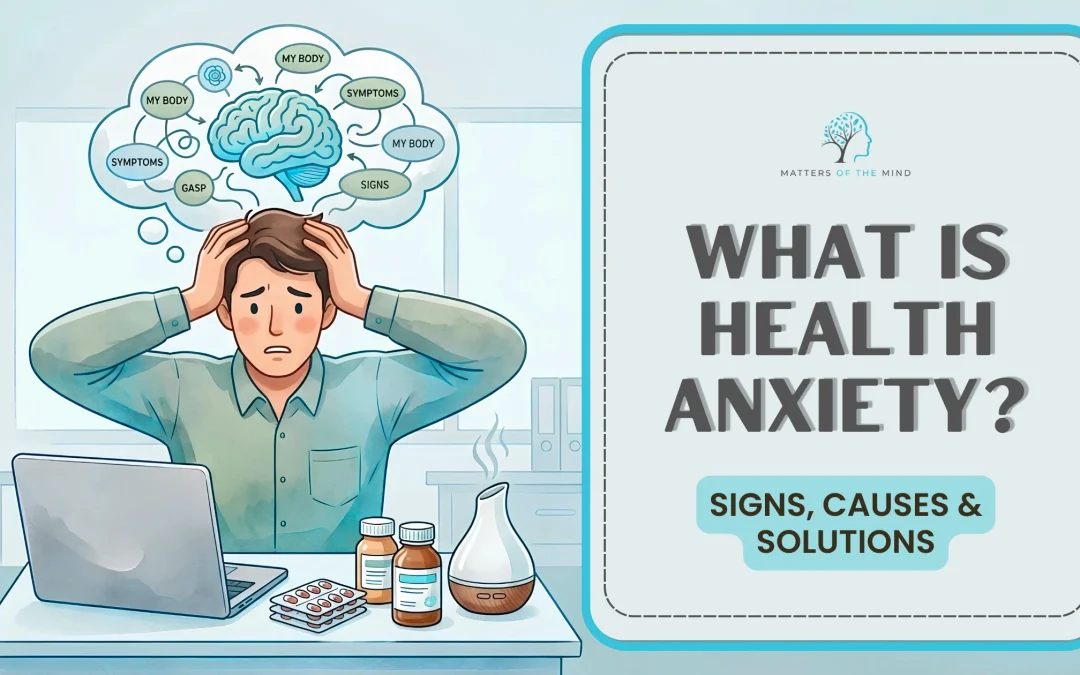
A certain level of health concern is normal for every individual to hold. Most people pay attention to changes in their bodies, especially when they feel unwell or notice something unusual. But for some individuals, that concern becomes constant, overwhelming and difficult to control. Even the medical tests are clear, but the mind continues to search for signs of illness, possible diagnoses, and worst-case outcomes.
This experience is often described as health anxiety, and in some cases, it is recognised as Illness anxiety. It can affect daily life, relationships, work, sleep and emotional well-being. More than just occasional worry, it is a persistent pattern of fear of being ill that can feel exhausting and isolating.
In this blog, let’s deeply discuss health anxiety, the signs, and symptoms. Because understanding this condition is the first step towards managing it with greater clarity.
What is Health Anxiety?
Health anxiety is a strong and ongoing perception of the possibility of having a serious illness. A person may frequently monitor the body, interpret normal sensations as signs of disease, or repeatedly seek reassurance from doctors or family members. This doesn’t mean that worry is imagined; it’s just that the fear feels very real to the person experiencing it.
Some of the common thoughts include:
-
- What if this symptom is something serious?
- What if the doctor missed something?
- What if this pain means I’m ill?
Over time, this cycle can reinforce itself. The more a person checks, googles, or seeks reassurance, the more temporary relief they may feel. But after some time, the worry returns.
Is Health Anxiety the Same as Illness Anxiety Disorder?
The terms are closely related, but there is an important distinction.
Illness anxiety disorder is a mental health condition in which a person is excessively worried about having or developing a serious illness, often with few or no physical symptoms. In many cases, the person is more distressed by the fear of illness than the actual symptoms themselves.
Health anxiety can be used as a broader term to describe similar patterns of worry, whether or not a formal diagnosis is present.
In short,
Health anxiety describes the experience of excessive worry about health.
Illness anxiety disorder refers to a more specific clinical pattern where the fear becomes persistent and disruptive.
Signs of Emotionally Unstable Personality Disorder (EUPD)
Individuals often face emotional and behavioural changes that affect their overall mental health.
-
- Constant worry about having a serious condition
- Frequent checking of the body for symptoms
- Repeated visits to doctors
- Difficulty accepting reassurance from health professionals
- Avoid hospitals, test results, and health-related conversations
- Feeling tense and restless
- Sleep disturbances due to worry
Reasons for Health Anxiety
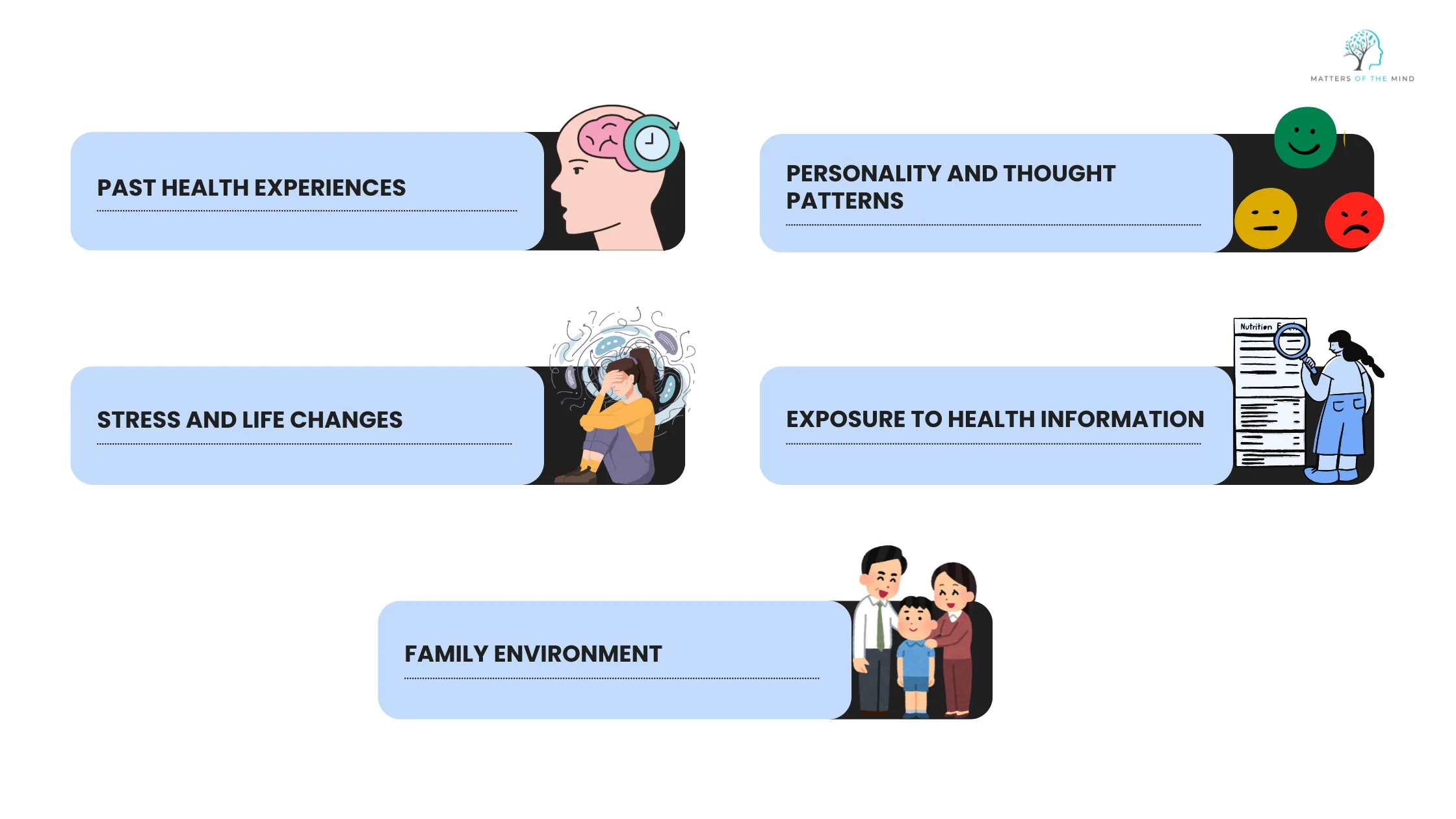
1. Past health experiences
A previous illness, medical scare, or difficult experience with a loved one’s health can make someone more alert to bodily changes.
2. Personality and thought patterns
Some individuals naturally tend to worry more, focus on detail, or find uncertainty difficult to tolerate.
3. Stress and life changes
Periods of high stress can make the body feel more noticeable and the mind more vulnerable to anxious thinking.
4. Exposure to health information
Constant exposure to online medical information can intensify worry, especially when every symptom seems to match a serious condition.
5. Family environment
Growing up in a household where health was a major source of fear or concern can shape a person how a person responds to bodily sensations in real life.
Ready to Break Free from Health Anxiety?
Learn how evidence-based psychological therapy can help you manage anxious thoughts, reduce reassurance-seeking behaviours, and regain confidence in everyday life.
How Health Anxiety Affects Daily Life?
When health worry anxiety becomes frequent, it can shape many parts of life. An individual may spend a large amount of time checking symptoms, reading medical content, or trying to solve the worry. Work performance may drop because concentration is constantly interrupted. Sleep can become lighter or more disturbed. Social life may also be affected if the person avoids plans, fearing that a symptom might appear or worsen.
The emotional impact is equally significant. Many people feel frustrated with themselves, embarrassed about their fears, and trapped in a loop they don’t know how to escape. Over time, this can create low mood, exhaustion and a sense of helplessness.
How Psychological Therapy Can Help?
Psychological therapy is one of the most effective approaches for managing health anxiety and illness anxiety disorder. It helps individuals understand the patterns behind their fear, challenge unhelpful negative thoughts, and gradually reduce the behaviours that keep anxiety going.
Identifying anxious thought patterns
Learning to tolerate uncertainty
Responding to symptoms in a calmer, more realistic way
Building confidence in coping without constant checking
If you or someone close to you is experiencing persistent fear of being ill, consulting a mental health psychologist would be the right choice. Dr Kavita Deepak-Knights offers compassionate and evidence-based support for individuals struggling with health-related fears, anxiety patterns, and emotional stress.
Through a personalised and supportive approach, therapy sessions focus on helping individuals better understand their thoughts, reduce anxiety-driven behaviours, and regain a sense of calm and control in everyday life. Book a personalised consultation today and take a healthier step towards better mental well-being.
Frequently Asked Questions (FAQs)
1. What are the signs of health anxiety?
Common signs include excessive worry about illness, frequent symptom checking, repeated reassurance-seeking, and difficulty accepting medical reassurance.
2. How do you treat health anxiety?
Health anxiety is often treated with psychological therapy, which helps people manage anxious thoughts, reduce checking behaviours, and cope better with uncertainty.
3. What is the #1 worst habit for anxiety?
Yes, EUPD is another term commonly used for borderline personality disorder (BPD).
4. Can health anxiety go away on its own?
Mild health anxiety may improve over time, but persistent worries often benefit from professional support and coping strategies.
5. Can stress make health anxiety worse?
Yes. Stress can increase focus on bodily sensations and make health-related worries feel more intense.


