
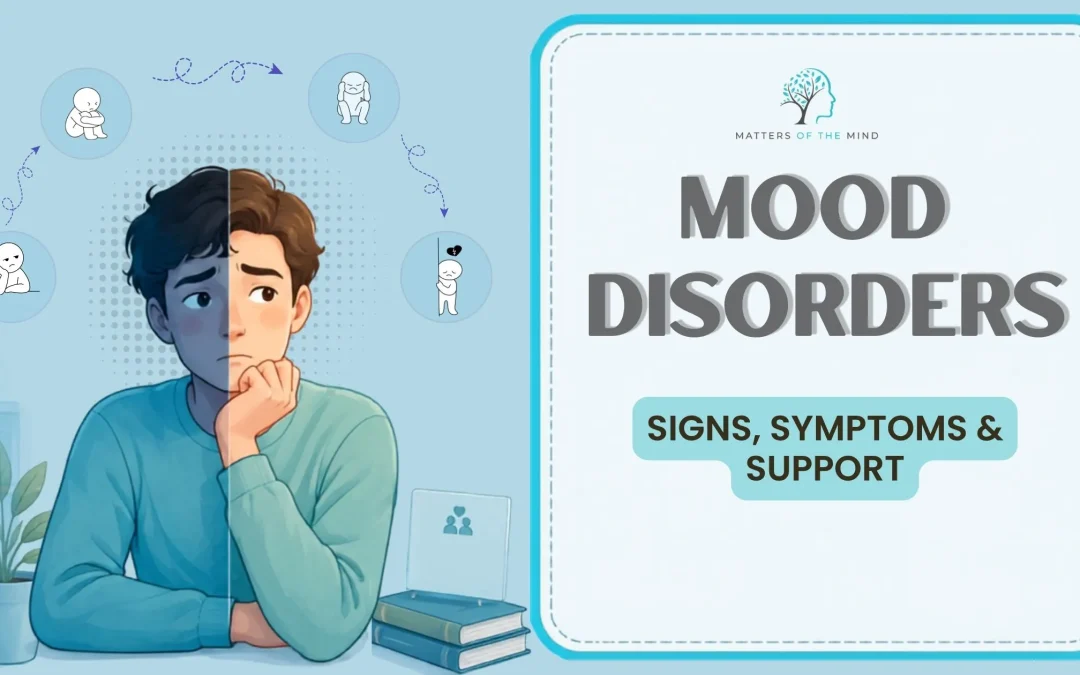
There are many times in our lives when we will experience different emotions such as happiness, sadness, anger or disappointment due to the situations and events occurring around us. However, there are some people who experience greater intensity than most in their moods for longer periods of time and their mood fluctuations have a severe impact on day-to-day living.

If your mood impacts your relationships, work, sleep, beliefs, motivations or general day-to-day well-being, then you may have a mood disorder. A mood disorder involves more than occasional mood swings. It is characterised by frequent and often persistent disturbances in mood that can make day-to-day activities more difficult.

In this blog post, we will unpack what exactly mood disorders are, how to spot them, what may be contributing to them and what types of support may be available to you if you are experiencing emotional issues.

What Are Mood Disorders?

Mental illnesses affecting a person’s emotions are classified as mood disorders. It can create continuous sadness, highs and lows, irritability and can affect a person’s ability to function in their daily life.

Emotions can change with varying life experiences; however, when those fluctuations are consistently experienced and begin to affect multiple aspects of a person’s life; they may indicate an underlying mood disorder.

Depression and bipolar disorder are the most common mood disorders. Although both disorders have different presentations, they usually have emotional experiences that are more severe and sustained than ordinary mood fluctuations.

Signs and Symptoms of Mood Disorders

It may cause problems with emotional state, as well as influence one’s physical health and ability to function on a day-to-day basis. In different conditions, the symptoms may be various; however, many people experience changes in mood, energy levels, sleep and behaviour that can make daily functioning more difficult.

Some of the possible signs and symptoms may be as follows:

    • Being sad, empty or depressed.
    • Loss of interest or pleasure in things which were previously liked.
    • Helplessness and hopelessness, self-loathing and self-criticism.
    • Anger and irritability.
    • Problems with sleeping patterns, including difficulty falling asleep and sleeping too much.
    • Changes in diet, abnormal eating habits.
    • Lack of energy, tiredness, problems maintaining concentration.
    • Poor concentration and memory, decision-making troubles.
    • Anxiety, nervousness, overactive mind.
    • Physical problems like headache and muscle pains, but not caused by any medical conditions.
    • Excessive energy levels and hyperactivity.
    • Avoidance of activities such as social life and responsibilities.
    • Suicidal thoughts and plans.

Factors That May Cause Mood Disorders
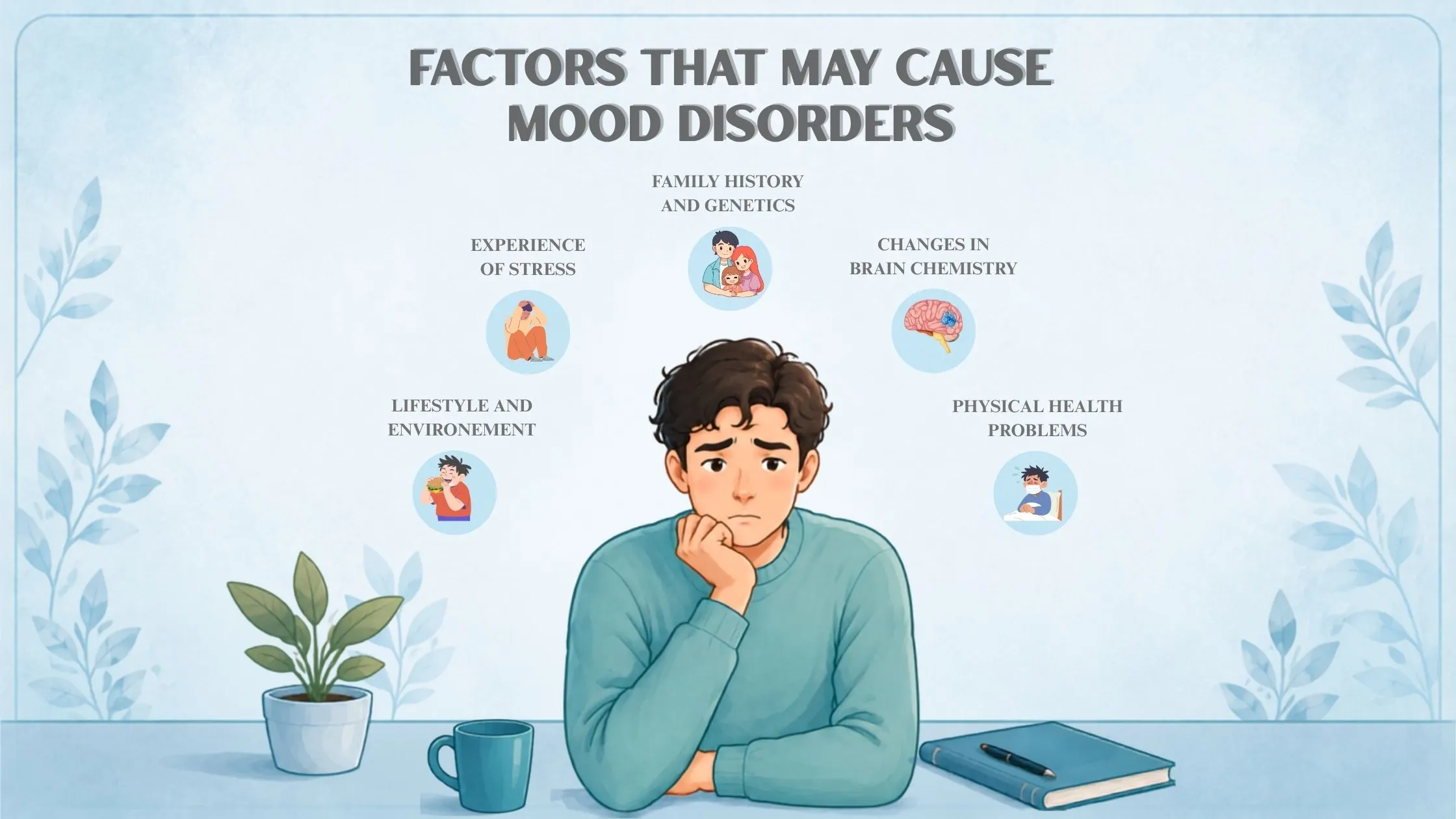
It is rare for one thing alone to be the cause of the development of this disorder, but rather it takes several biological, psychological, and environmental factors which affect how an individual thinks, feels, and responds to their surroundings.
Infographic illustrating factors that may cause mood disorders, including stress, family history and genetics, changes in brain chemistry, physical health problems, and lifestyle and environmental influences.

1. Family history and genetics

Mood disorders may be inherited. Having a close family member who has been diagnosed with depression, bipolar disorder or another mood disorder may increase the likelihood of developing a mood disorder.

2. Changes in brain chemistry

There are some brain chemicals which are responsible for regulating moods and emotions. Brain chemical imbalances may produce long-term feelings of depression, continued high emotion or continued mood fluctuations.

Finding It Difficult to Manage Your Mood?

Discover practical strategies to improve emotional well-being and regain balance in daily life.

3. Experience of stress

The types of major life changes ( marriage, divorce, relocation, new job), the amount of ongoing stress, losing someone/thing (death or separation of family member or loved one), being a victim of a crime, having a traumatic experience or experiencing a difficult/abusive childhood may contribute to the development of mood disorders or trigger the symptoms.

4. Physical health problems

Some long-term physical health conditions or physical illnesses & certain medications to treat physical illnesses can create changes in an individual’s mood over time.

5. Family environment

Other factors which may/may not be in your control; such as sleep disturbances, lack of physical activity due to a sit-down job or other sedentary lifestyle choices, the use of drugs and/or alcohol, physical, emotional or environmental stress, can also have an impact on your overall mental health and mood/ emotional well-being.

Support and Treatment Options for Mood Disorders
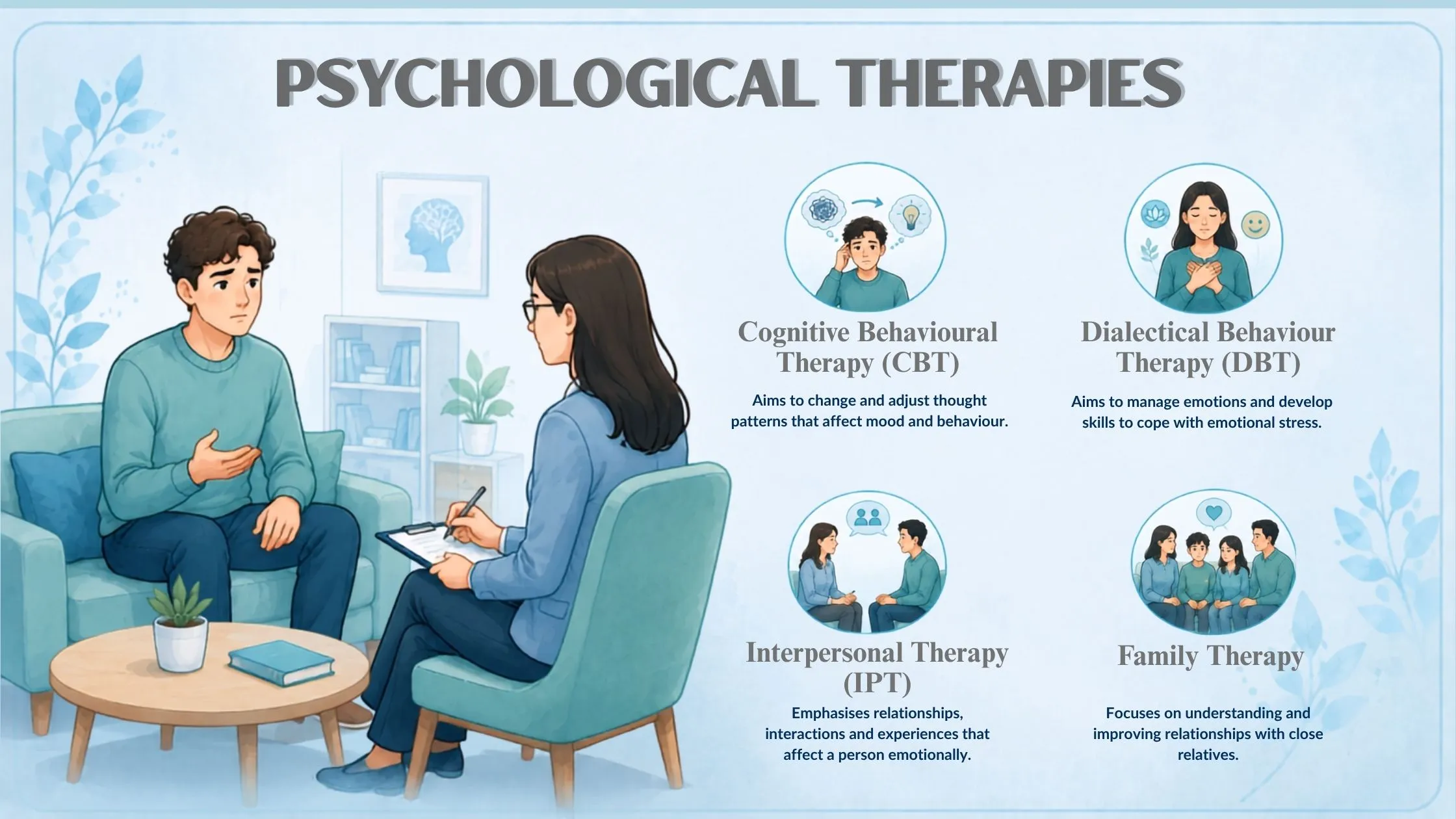
Living with mood disorders can sometimes be very challenging. But there are options to help you cope with the situation and overcome any difficulties.
Infographic showing a therapy session and four psychological treatments for mood disorders: Cognitive Behavioural Therapy (CBT), Dialectical Behaviour Therapy (DBT), Interpersonal Therapy (IPT), and Family Therapy.

Psychological Treatments

Other Supportive Practices

In addition to therapy, several practices will help cope with emotions.

    • Observing the routine of sleep, physical activity, and daily habits.
    • Using relaxation methods and stress management techniques.
    • Spend more time with loved ones and close people.
    • Seek professional advice if you cannot cope on your own.
    • Every person is unique, so it makes sense to develop a strategy that would take into account your specific situation.

Conclusion

It can be hard living with a mood disorder, but help does exist. Knowing the symptoms and causes of these kinds of disorders are crucial to realising when you need help.

When the proper assistance is obtained, it is possible to handle your symptoms, adopt healthy coping mechanisms, and increase your level of happiness and well-being. Psychiatric treatment allows you to learn more about yourself and achieve emotional well-being.

Getting assistance from a mental health care professional can be a step toward improved quality of life when moods have a negative impact on your everyday life.

Frequently Asked Questions (FAQs)

1. Can mood disorders be treated?

Yes. Psychological therapies such as Cognitive Behavioural Therapy (CBT), Dialectical Behaviour Therapy (DBT), and Interpersonal Therapy (IPT) can help individuals manage symptoms and improve emotional well-being.

2. When should I seek help for a mood disorder?

It may be helpful to seek professional support if changes in your mood are affecting your work, relationships, daily activities, or overall quality of life.

3. Can lifestyle changes help with mood disorders?

Healthy habits such as regular sleep, physical activity, stress management, and maintaining social connections can support emotional well-being alongside professional treatment.

4. Are mood disorders long-term conditions?

Some people experience mood disorders for a short period, while others may need ongoing support. Early intervention and appropriate treatment can help manage symptoms effectively.
Dr. Kavita Deepak-Knights
About the Author

Dr Kavita Deepak-Knights linkdin icon

With over 20 years of clinical experience, Dr Kavita brings a trusted and expert approach to mental health care. As the founder of Matters of the Mind and an Oxford-trained psychologist, she specialises in evidence-based therapies, including CBT, ACT, DBT, and EMDR, offering personalised support to help individuals understand their challenges and enhance their overall well-being.