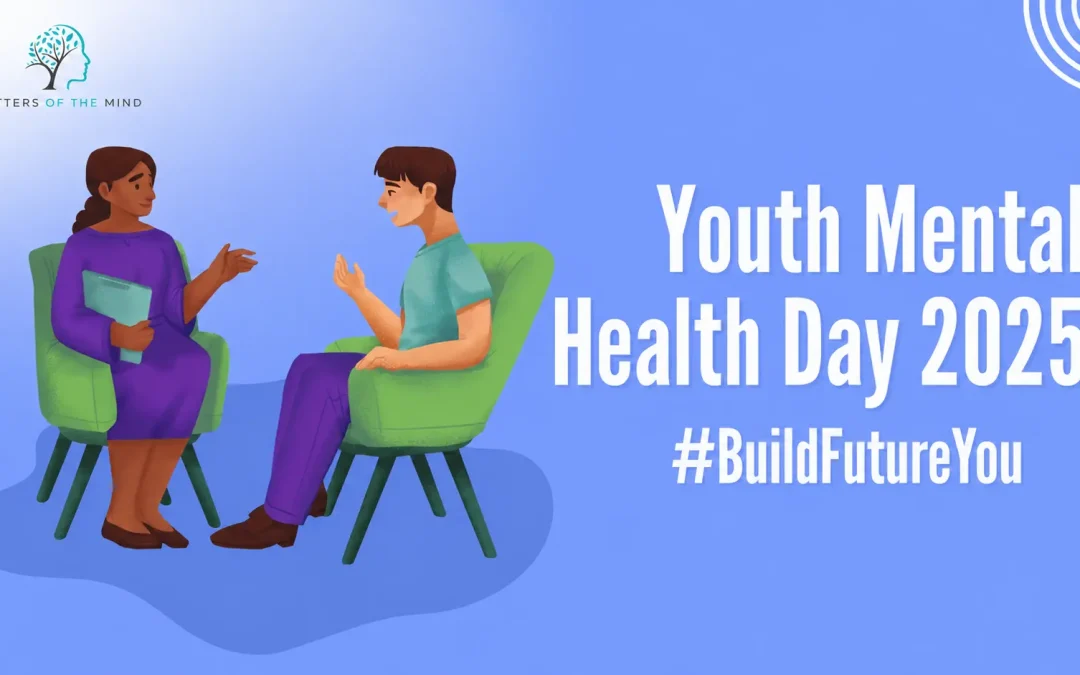
Every year, mental health becomes an increasingly important topic of conversation. For young people especially, the challenge of navigating school, university, work, relationships, and social pressures can feel stressful. Youth Mental Health Day 2026 is a reminder that mental health matters as much as physical health, and it deserves compassion, attention, and support.
This year, the theme of Young Mental Health Day is #BuildFutureYou, an invitation to young people and those around them to explore how sharing experiences and supporting each other can help build resilience and reduce isolation.
Youth Mental Health Day Matters
For too long, mental health has been a subject that many find difficult to understand. While awareness has grown, stigma and misunderstanding still exist. Youth Mental Health Day plays an essential role in addressing this gap by creating a space for education, awareness, and collective action.
Youth Mental Health Day 2026 Theme: #BuildFutureYou
The official theme for Youth Mental Health Day 2026 is #BuildFutureYou. Organised by stem4, this year’s campaign encourages young people to look beyond today’s pressures and focus on creating a healthier, more hopeful future.
Whether it’s developing healthy habits, learning new coping skills, building confidence, or asking for support when needed, every small action contributes to a stronger future self.
Young people across the UK continue to face challenges such as academic pressure, social media, financial uncertainty, climate anxiety and changing relationships. Rather than focusing solely on these difficulties, #BuildFutureYou reminds us that resilience grows through small, consistent steps.
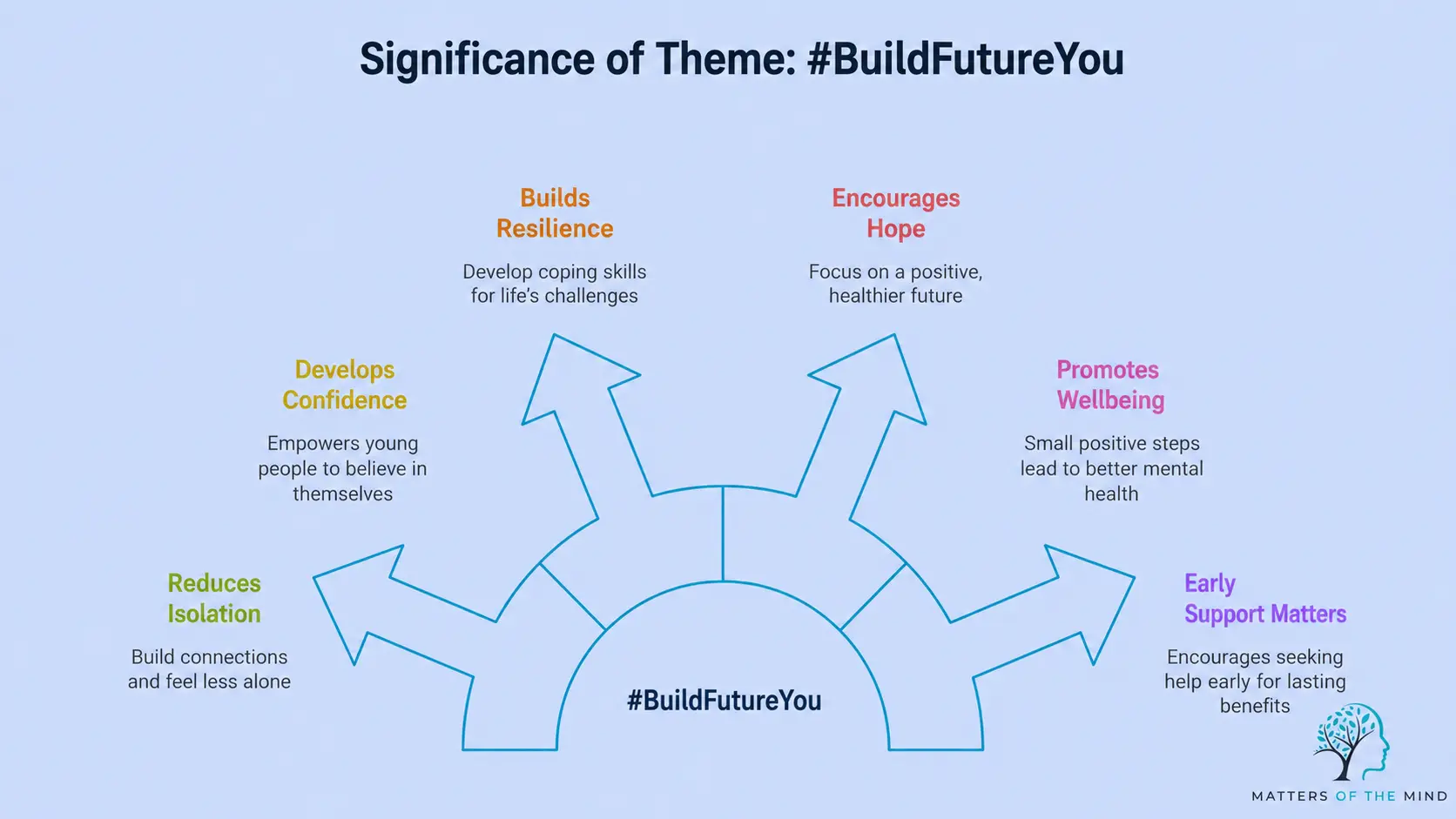
1. Reduces isolation
Talking to someone who understands can help young people feel less alone in their struggles.
2. Builds resilience
Sharing coping strategies from healthy sleep habits to mindfulness practices can equip young people with practical tools for managing stress.
3. Breaks stigma
The more young people talk openly about mental health, the more normal these conversations become.
4. Encourages early intervention
A supportive peer can make the difference between someone staying silent and deciding to seek professional help.
Mental Pressure Faced by Young People
- Academic and career pressures: From exam stress to uncertain job markets, the demands on young people can feel relentless.
- Social media and online life: Constant comparison, cyberbullying, and the pressure to present a “perfect” life online can damage self-esteem and increase anxiety.
- Financial insecurity: Rising living costs and student debt are significant worries for many young adults.
- Identity and belonging: Questions around identity, relationships, and belonging can feel confusing and overwhelming.
- Global uncertainty: Issues such as climate anxiety, political unrest, and global instability add layers of stress.
How To Get Involved
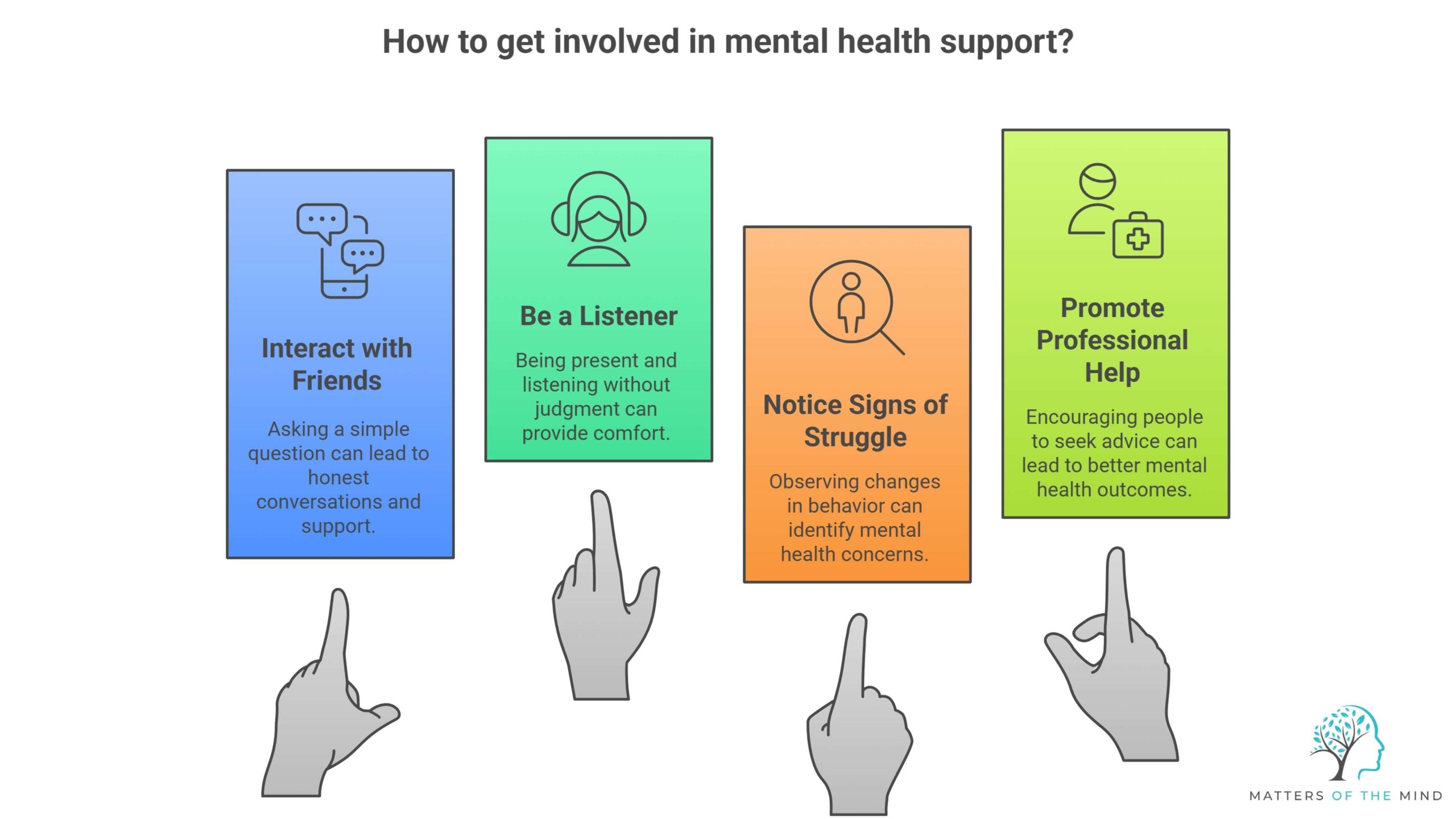
1. Interaction with friends
2. Be a listener
3. Notice signs of struggle
4. Promote professional help
Every Conversation Counts
A healthy, honest conversation has the power to change a person’s life. Whether it prevents isolation, reduces anxiety, or encourages someone to seek professional support, every small step matters.
- You don’t need to have all the answers. Listening is enough.
- Be patient. Healing takes time, and not every conversation will lead to immediate change.
- Remind young people that they are not alone. Support exists, and asking for help is a sign of strength, not weakness.
Moving Forward Together
You don’t have to face it alone. Connect with Dr Kavita Deepak-Knights for personalised mental health support and guidance.