
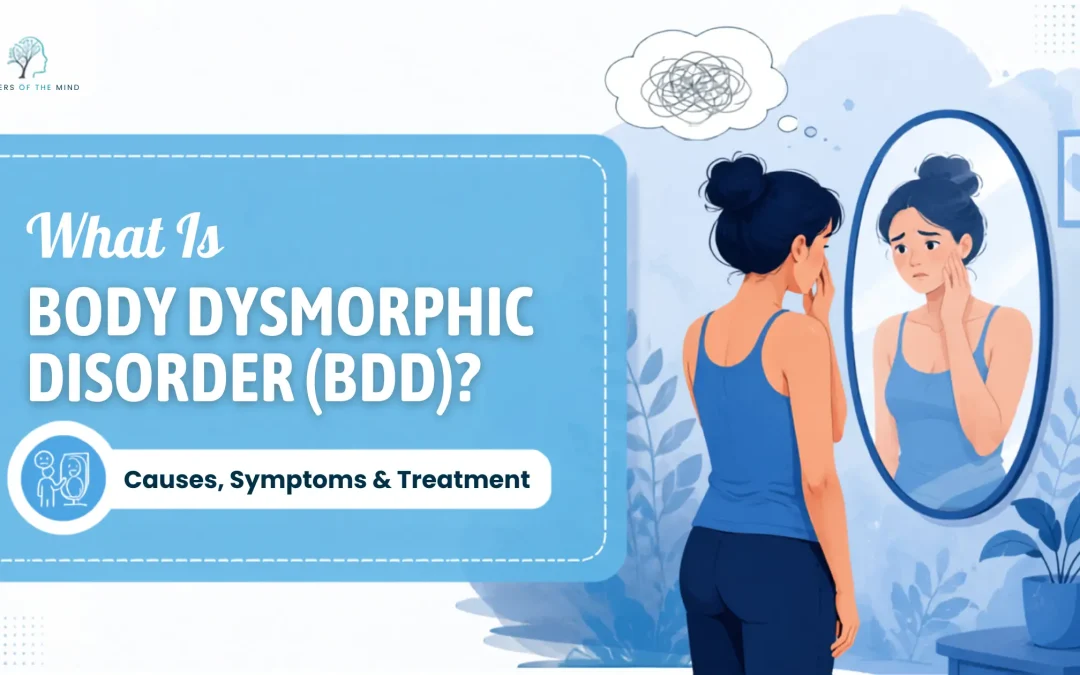
Individuals may experience insecurity regarding their physical attributes at times, although for some individuals, these insecurities can result in emotions so strong that they interfere with your thought process, emotional well-being, and ability to interact with others.
Body Dysmorphic Disorder (BDD) is a psychological disorder which is distinct from normal concerns that people may have regarding their physical attributes. This disorder has the potential to cause an obsession regarding one’s supposed imperfections that no one else sees. An obsession with such supposed imperfections may result in severe consequences for one’s self-worth, social interactions and overall quality of life.
What Is Body Dysmorphic Disorder (BDD)?
Body Dysmorphic Disorder (BDD) is also referred to as body dysmorphia, and it’s a mental health disorder where a person will have a preoccupation with a perceived defect in their physical appearance. Many of us have noticed something about our physical features that we would like to change, but for someone with BDD, this concern results in a significant amount of distress and preoccupation.
The perceived defect may be regarding skin, hair, nose, weight, body shape, or any other area of their appearance. Many of these perceived defect areas are so small or unnoticeable that no one else even notices them and some of these defects are only noticed when a BDD patient looks at themselves in a mirror or attempts to solicit reassurance from others or compare themselves to others,
BDD is not about vanity or perfectionism, and BDD has a profound impact on the emotional well-being of the person who has the disorder, as well as their social relationships, their employabilities, their educational success, and their daily routine. BDD can develop anywhere from late adolescence through early adulthood and is present in both males and females.
Having a firm grasp on what BDD actually is can help explain why certain people develop such extreme concerns about their physical appearance and which aspects of their lives may contribute to developing this disorder.
What Causes Body Dysmorphic Disorder?
No one really knows what causes Body Dysmorphic Disorder (BDD). Rather than one thing or cause causing BDD; it is believed by researchers that BDD occurs through the interaction of different causes such as biological, psychological, and environmental. Each person with BDD has a different reason for developing this disorder, but there are some factors that make someone more likely to have BDD.
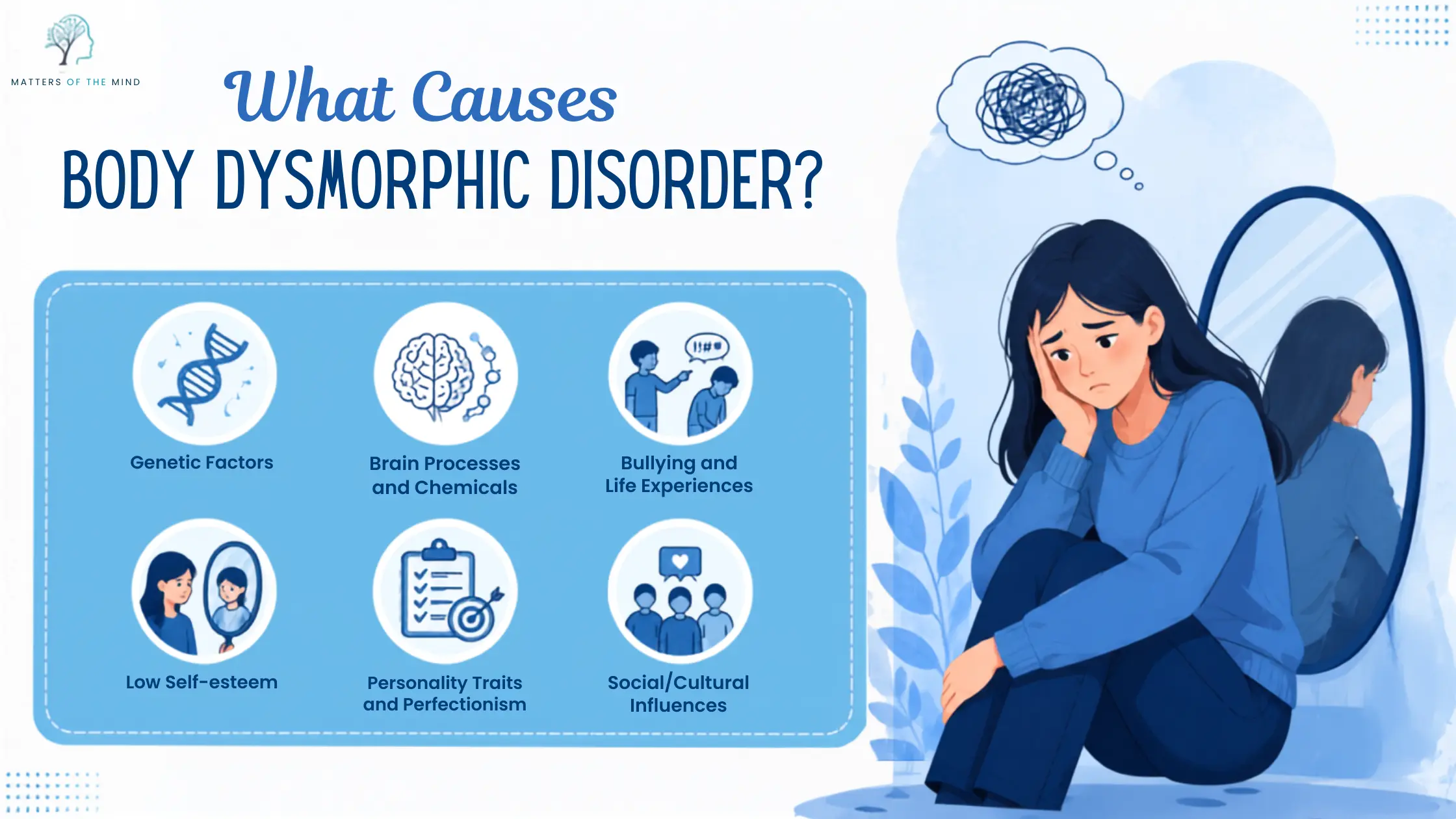
- Genetic Factors: If someone has a family history of BDD, OCD or depression, they might be at increased risk of developing BDD.
- Brain Processes and Chemicals: Studies have shown that people with BDD may process visual information related to their appearance differently than those without BDD. These biological differences may contribute to BDD.
- Bullying and Life Experiences: Childhood bullying, teasing, abuse, neglect or any type of experience that negatively affects the way a person views themselves based on their appearance increases the chances of developing BDD.
- Low Self-esteem: A person who has low self-esteem or places a high emphasis on their appearance will have a greater risk for developing BDD.
- Personality Traits and Perfectionism: There are certain personality traits that lead to BDD such as perfectionism, an increased sensitivity to the criticism of oneself, and being highly competitive with others.
- Social/Cultural Influences: Unattainable standards of beauty promoted through the media or through social media, comparisons of oneself to others through social media and pressure to maintain an attractive appearance contributes to a person developing a distorted view of his or her body, resulting in the development of BDD.
Symptoms of Body Dysmorphic Disorder
BDD is a condition which can disrupt thought patterns, feelings, and typical daily actions of those who suffer from it, as symptoms vary from person to person. One common theme is that a person who suffers from BDD tends to fixate or become preoccupied with what they perceive as “flaws,” even when other people do not see those flaws, or view them as minor.
Individuals with BDD may engage in the following behaviours often:
-
- Start checking their appearance in mirrors continuously or completely avoiding looking in mirrors.
- Obsessively thinking about a perceived physical flaw.
- Regularly comparing their own appearance to that of other people.
- Regularly asking other people if they look okay and being unconvinced, despite receiving corroborating statements that affirm that they look fine.
- Hiding perceived flaws with clothing, hair, or make-up.
- Engaging in excessive grooming, skin-picking or other repetitive behaviours related to their physical appearance.
- Believing that others are judging, noticing or mocking their appearance.
- Avoiding social events, or forming relationships, avoiding being in photographs, and avoiding work or school because of concerns about their physical appearance.
- Consistently pursuing surgeries or cosmetic procedures, with little or no long-term satisfaction.
- Having feelings of ongoing shame, anxiety, frustration, or embarrassment related to their physical appearance.
Treatment and Support Options for BDD
People suffering from a treatable mental health issue known as Body Dysmorphic Disorder (BDD) can expect significant improvement if given the right help. The focus of treatment for individuals with BDD is on decreasing distress, improving functioning in daily life, and building a better connection between the individual’s self-image and their appearance.
Some of the common treatments available to those with BDD include:
1. Cognitive Behavioural Therapy (CBT):
Cognitive Behavioural Therapy is one of the most effective treatment options for Body Dysmorphic Disorder. CBT will allow the individual with BDD to learn how to identify and challenge negative thoughts related to their image, while developing a variety of more positive coping mechanisms.
2. Medication
Prescribed medications (typically Selective Serotonin Reuptake Inhibitors or SSRIs) can assist individuals with obsessive-thinking, compulsive behaviour patterns, and anxiety related to their assessment of their own physical appearance.
Struggling with Body Image Concerns?
Professional psychological support can help you build confidence, challenge unhelpful thoughts, and improve your well-being.
3. Exposure and Responses
Exposure and response techniques allows an individual with BDD to gradually face anxiety-provoking situations related to their physical appearance; without having to rely on coping mechanisms such as checking mirrors or seeking validation or reassurance.
4. Family and professional support
Social and emotional support from both mental health specialists, family, and close, caring friends is imperative for both recovery from BDD, and long-term recovery.
Conclusion
Body Dysmorphic Disorder has the potential to have a substantial impact upon one’s self-esteem, relationships, and general quality of life. Fortunately, though BDD can be incredibly debilitating, many people will find that their overall wellbeing can be positively impacted by finding appropriate treatment, receiving ongoing support, and being recognised early in the course of their illness.
With the help of compassionate and individualised therapeutic assistance, Dr Kavita Deepak-Knights provides individuals with the tools required to develop more healthy coping mechanisms, thereby creating a better relationship with themselves. If your quality of life is being adversely affected by concerns about your appearance, reaching out for professional assistance may be your first step on the path to recovery.
Frequently Asked Questions (FAQs)
1. What is severe body dysmorphia like?
Severe body dysmorphia can cause a person to become intensely preoccupied with perceived flaws in their appearance. These concerns may lead to significant anxiety, low self-esteem, social withdrawal, and difficulties with daily activities, relationships, work, or education.
2. Can body dysmorphia be cured?
Body Dysmorphic Disorder can be effectively managed with appropriate treatment and support. Therapies such as Cognitive Behavioural Therapy (CBT) and, in some cases, medication can help reduce symptoms and improve quality of life.
3. What are 5 symptoms of body dysmorphic disorder?
Five common symptoms of Body Dysmorphic Disorder include:
- Excessive concern about perceived flaws in appearance.
- Frequent mirror checking or avoiding mirrors altogether.
- Constant comparison of appearance with others.
- Repeatedly seeking reassurance about looks.
- Avoiding social situations due to concerns about appearance.
4. Is BDD the same as low self-esteem?
No. While low self-esteem can contribute to BDD, the condition involves an intense preoccupation with perceived appearance flaws that can significantly affect daily life.


